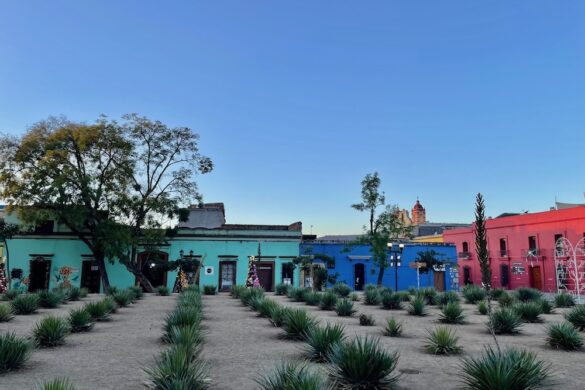
A Rhine River cruise covers four countries, UNESCO World Heritage landscapes, over 28 medieval castles, world-class wine regions, and centuries of architecture, all from one unpacking. It’s one of the most efficient and immersive ways to experience Europe, whether you’re a first-time visitor or a seasoned traveler.
Have you been dreaming of a European getaway but feel like you can never quite make it work? Too many cities to choose from, too little time, too much to coordinate. I know the feeling, and I have a solution. May I suggest that a European river cruise might be exactly what you’re looking for.
I know what you’re thinking. There are dozens of itineraries across Europe’s great waterways, how do you even begin to choose? Let me make it easy for you: choose the Rhine.
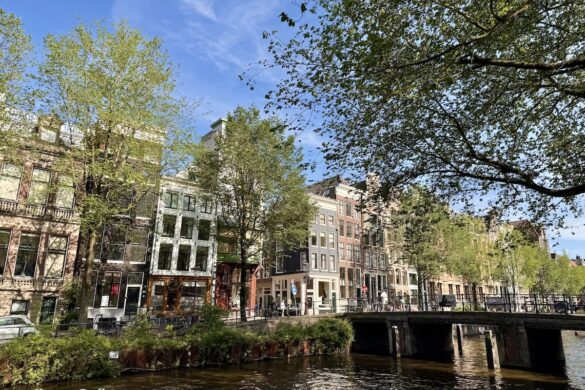
From its origin in Germany’s Black Forest, the Rhine River covers an extraordinary range of landscapes, cultures, and history before meeting the North Sea near Rotterdam. Explore castle fortresses, bike riverside trails, or go boating on the iconic canals of Amsterdam. You’ll sail through at least four countries, depending on your itinerary.
Here are my top reasons to choose a Rhine River cruise though there are surely many more.
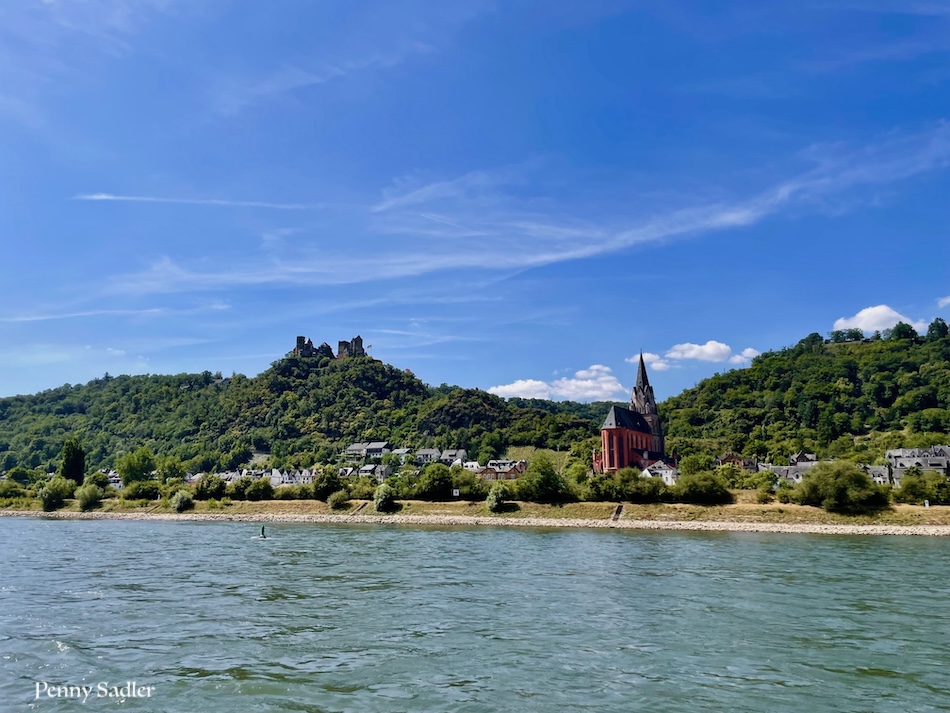
1. The Upper Middle Rhine Valley
The romance of the Rhine reveals itself slowly at first. A half-timbered medieval village, cobblestone lanes, flower boxes brimming with geraniums. However, it’s in the UNESCO protected Upper Middle Rhine Valley that the magic of a Rhine river cruise fully reveals itself.
Stretching about forty miles, or sixty-five kilometers between Bingen and Koblenz, the Rhine Gorge is everything you expect the Rhine to be. Steep, vine-terraced hillsides rise dramatically on both banks. Perched on nearly every promontory is a castle, over twenty-eight of them in total, each with its own story of knights, rivalries, and medieval power struggles.
Plan to spend at least two hours on the upper deck of your ship while sailing through the Rhine gorge. I tried to photograph every castle and outcrop, running from one side of the deck to the other. A more relaxing experience would be to enjoy the scenery and related legends of this fairytale region as told by the ship’s tour director.
A couple of key sights to watch for include: the Lorelei rock, perhaps the most famous landmark along the gorge, it’s a classic story of love and betrayal. My favorite castle is the Rheinstein Castle featuring a happier tale of requited love. The tour director will likely supply you with a map that includes all of the castles and sights you’ll see. I think you’ll agree, the Upper Middle Rhine Valley is worth the voyage all on its own.
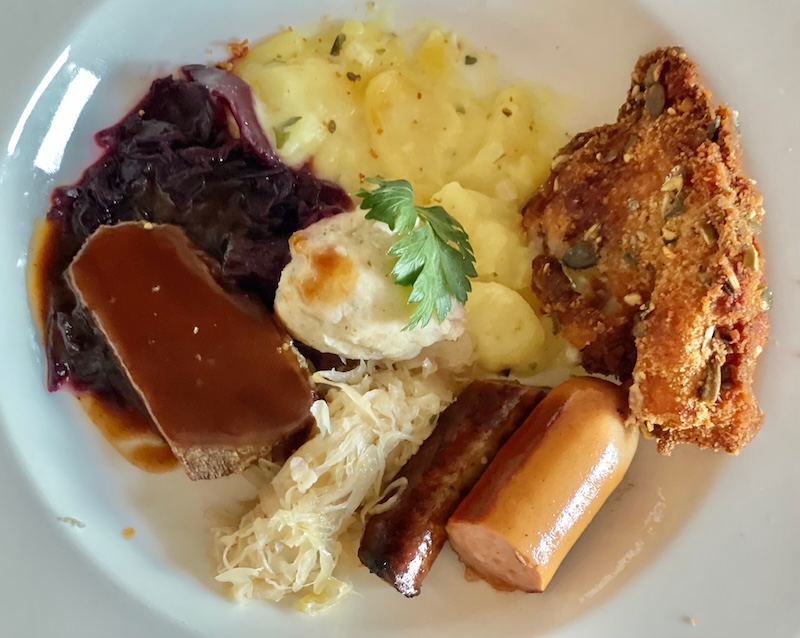
Yummy German food.
2. Food and drink worth sailing for
One of the great pleasures of any river cruise is the food, all prepared onboard with fresh ingredients. On a Rhine River cruise you can expect hearty, satisfying German classics: schnitzel, slow-braised sauerbraten, perfectly grilled bratwurst, and pretzels the size of a large hand served warm with grainy mustard. There are other options, too, in addition to local German food.
The meaning and use of the descriptor “locally sourced ingredients” is a little overdone these days but on a river cruise, that’s the norm. Because the kitchens onboard are small, fresh food is sourced at many ports.
Ashore, the regional specialties shift as you move from port to port. In Strasbourg, you’re in Alsatian France, which means tarte flambè, flammekueche, Muenster cheese, and some of the most interesting white wines in Europe.
And speaking of wine, the Rhine corridor is about more than beer. The steep slate vineyards of the region produce some of the world’s finest Rieslings: crisp, mineral, and nothing like the sweet versions you may have encountered elsewhere. Both Alsace and Germany produce elegant Pinot Gris and Gewürztraminer, fragrant and complex in equal measure. And don’t overlook the reds. German Spätburgunder, which is Pinot Noir by another name, is quietly world class and still flying under the radar for many travelers. Pair it with a plate of local cheese and a view of the river, and it will never taste the same for you again.
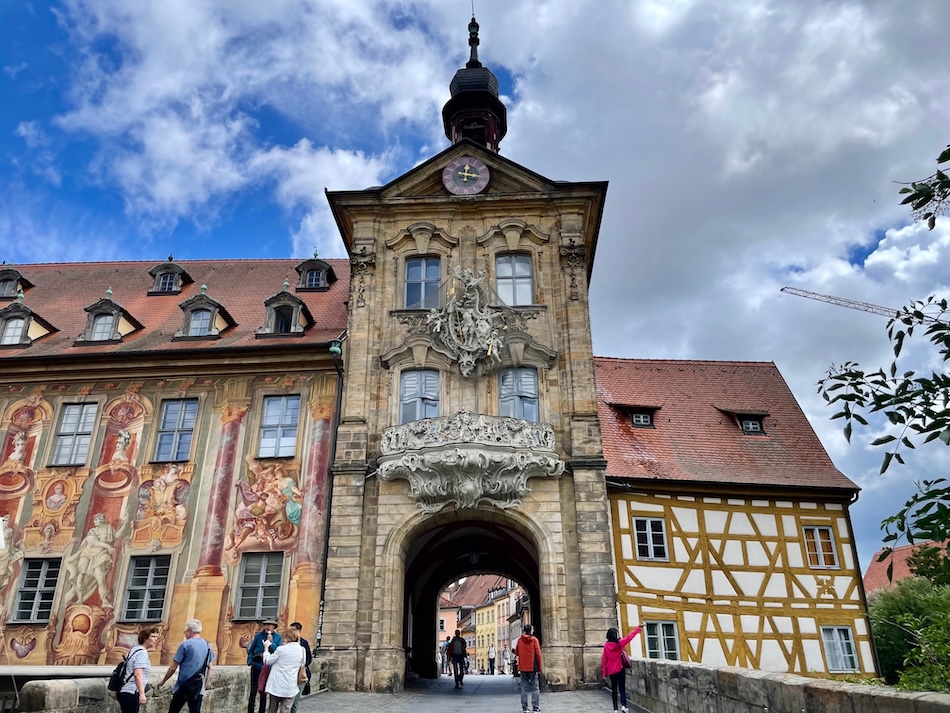
3. Stunning architecture at every port
The cities and towns along the Rhine and its tributaries are among the best preserved medieval urban landscapes in the world. Some were preserved for historic and economic reasons, others to protect the very attributes that attract visitors today. Many look like Brothers Grimm fairytales come to life. However, there is a wide range of architectural styles from Baroque, to Renaissance and even modern.
One of the most interesting ports is Strasbourg, a unique blend of French and German culture. The capital of Alsace, located in far southeastern France, Strasbourg and the entire Alsace region were subject to a political and historical tug of war between France and Germany that lasted for centuries.
The Cathedral of Notre-Dame is the crown jewel, a soaring Gothic masterpiece that dominated the European skyline as the world’s tallest building for over two centuries. Step inside to see the extraordinary astronomical clock, which has been marking time since the 16th century and still draws a crowd at noon. Outside, the Petite France quarter delivers one of the most photographed streetscapes in Europe, it reminded me of Petite Venice in Colmar.
Like many cities in Europe, a highlight of Cologne is its cathedral. The Kölner Dom, Gothic cathedral, took over 600 years to complete and remains one of the most awe-inspiring buildings in Europe. If you’re up for it, climbing the tower is over 500 steps, but the panoramic view of the Rhine stretching out below is worth every step.
Some Rhine itineraries include ports on the Main river, a tributary of the Rhine. For this reason I’m including Bamberg, one of the prettiest cities in Germany and one of the few cities that was not bombed during World War II. Because Bamberg was spared, an extraordinary number of medieval buildings survived intact, earning it UNESCO World Heritage status. A key landmark you’ll see on any tour is the Rathaus, or Town Hall, sitting on a manmade island in the river, it is an architectural quirk that has charmed visitors for centuries.
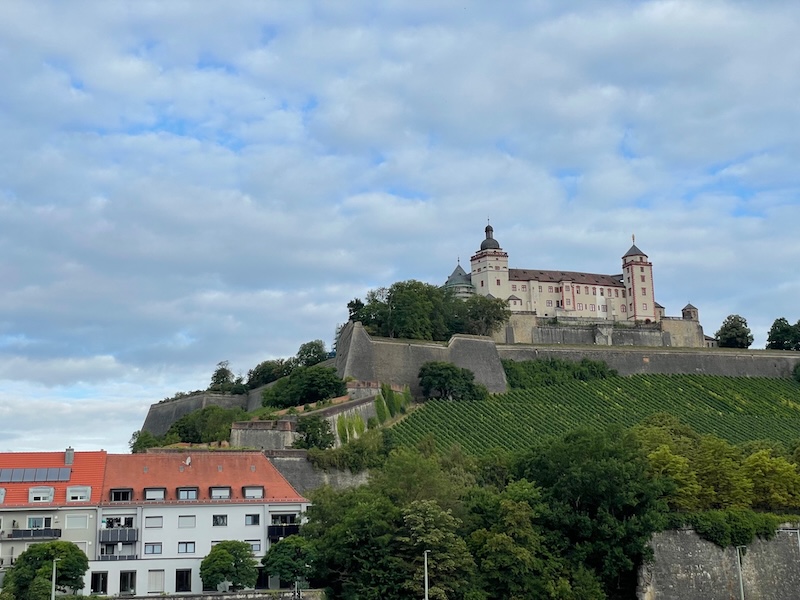
Germany
4. Shore excursions that immerse you
The Rhine offers some of the best selection of shore excursions with a wide variety of activities. Germany and Alsace are wonderful places to hike and soak up the scenery and sunshine. In the Netherlands, the shore excursions include a visit to the iconic windmills of Kinderdijk. You can go by boat on the canals, or strike out walking or biking. There’s also a visit to a cheesemaker.
Choose from winery visits to castle hikes; walk or bike through the Bavarian forest. Visit WWII sites where the final battles decided the future of France and Germany. There are always city walks and if you prefer something not too active that gets you off the ship and into the culture, the city tours are great for that. And they’re included in the cost of the cruise. Remember, you’re never obligated to do anything at all. If you prefer to spend the day relaxing in your stateroom or on the ship’s deck, you can.
Whether you prefer guided tours with expert local commentary or striking out independently to explore at your own pace, the Rhine delivers the kind of immersive experiences that make travel feel meaningful rather than just scenic.
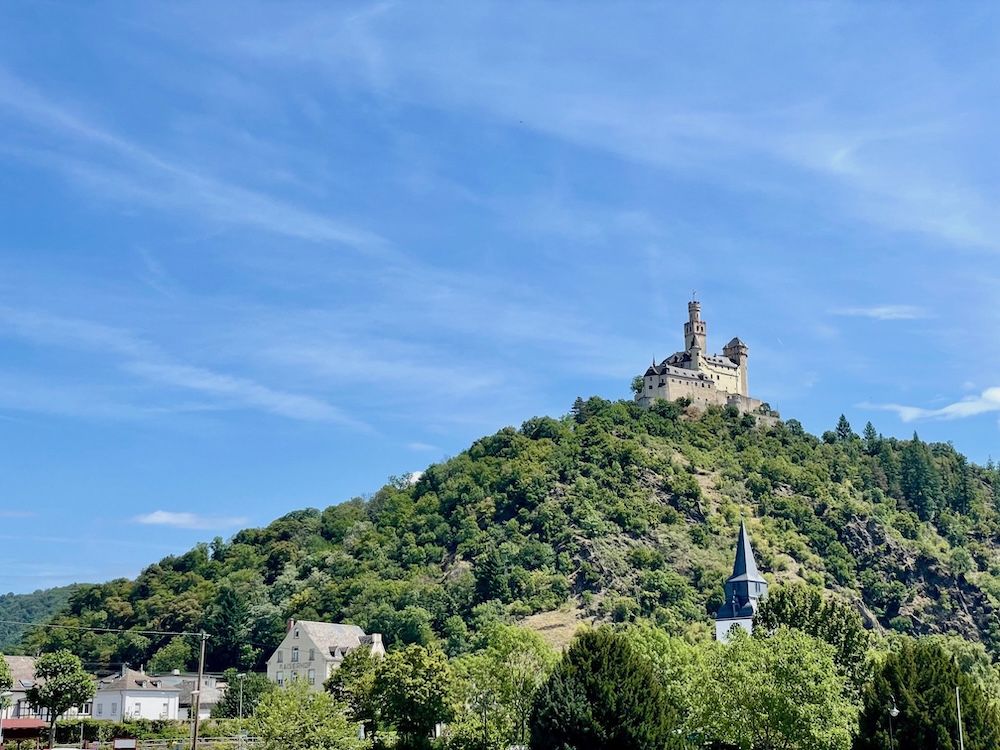
Just another castle on the Rhine.
5. Four countries, one unpacking
On the classic Rhine itinerary you’ll travel from either Switzerland or Netherlands through France and Germany. As you sail across borders things change: the architecture, food, wine and beer, and languages. On a river cruise, the transitions are subtle, it’s not like you just landed and are dropped into a completely new culture all at once. The more subtle changes between cultures leaves you with the feeling that you have had a grand experience, not some run and gun trip that left you more tired than when you left. In the end isn’t that why we all travel?
Though this is not a feature that’s unique to a Rhine cruise, if all goes as it should, it’s one of best features of any river cruise in my opinion. I think it’s worth pointing out because comfort, convenience and the ability to cover a lot of ground in a short time are the reasons I’m recommending a river cruise to begin with.
Have you been on the Rhine? If so, tell me about it in the comments. If not, ask me anything.
Frequently Asked Questions About Rhine River Cruises
How long is a typical Rhine River cruise?
According to cruise critic and my experience, most Rhine itineraries run 7 to 14 days. A classic 8-day cruise typically sails between Amsterdam and Basel, Switzerland, stopping at ports in the Netherlands, Germany, and France.
What countries does a Rhine River cruise pass through?
A standard itinerary covers the Netherlands, Germany, and France (Alsace). Some extended itineraries also include Switzerland at the southern end.
What is the best time of year for a Rhine River cruise?
Spring through fall would be fantastic. Summer can be very hot, as I experienced, but it is a popular time. Spring brings blooming landscapes, while fall offers harvest festivals and wine tastings along the route. I love fall.
Is a Rhine River cruise suitable for first-time cruisers?
I’ve been on five river cruises and while there are many repeat cruisers, there are always a lot of newcomers. River cruises are widely considered the easiest entry point into cruising due to the smaller ships, no sea sickness, and port-heavy itineraries mean more time exploring than sailing.
What is included in a Rhine River cruise?
Most river cruises include meals, onboard entertainment, and a selection of shore excursions. Drinks packages and premium excursions vary by cruise line.
How much does a Rhine River cruise cost?
Budget lines start around $2,000–$3,000 per person. Premium lines like Viking or AmaWaterways typically run $4,000–$6,000+ per person for an eight day cruise.
What is the most scenic part of the Rhine River cruise?
The Upper Middle Rhine Valley between Bingen and Koblenz is a UNESCO-protected 65km stretch lined with vine terraces and over twenty eight castles. You’ll find it mentioned in every company’s promotional materials. It’s so special, I chose it as my number one reason to go on the Rhine cruise. However, it’s all pretty darn scenic.