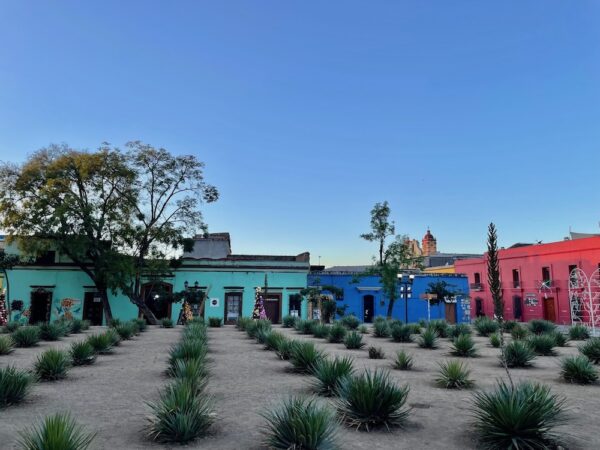
Known for mezcal, mole, and Dia de los Muertos, Oaxaca City (officially Oaxaca de Juárez) is Mexico’s culinary capital and cultural heart. This brilliantly colorful city blends Spanish Colonial architecture with living indigenous Zapotec and Mixtec traditions, a unique fusion that earned it UNESCO World Heritage status in 1987. The city feels both vibrant and relaxed, with a pace all its own. I recently visited for the first time and loved it.
Though I’m an experienced traveler, there were a few things I didn’t know prior to my trip. For other first time visitors, these are the essential tips I believe will help you make the most of your trip to Oaxaca.
1. Wear sturdy shoes
Oaxaca was established as a colonial city in the 16th century; many of the streets are cobblestone, especially in the historic center. The sidewalks, while not so old, are certainly not new. In some neighborhoods they are cracked by tree roots, and they can be narrow. Sturdy, comfortable shoes are a must.
I went for a coffee at Marito y Moglie one morning, and had to navigate around a tree that seemed to have claimed the entire sidewalk.
The one exception would be if you’re heading to dinner and your hotel is a block away–throw on those nice sandals. But Oaxaca is refreshingly casual, so don’t feel like you need to dress up.
2. The pavement is uneven
This deserves its own callout beyond just the shoe situation. Depending on which neighborhood you’re exploring you’ll encounter everything from smooth cobblestones to broken concrete sidewalks to random gaps.
Another tip, the curbs can be high. How high? The answer is, it varies. For a petite person like me stepping up some of the curbs was a challenge. Also, many of the shops will have steep steps up and then down into the shop.
Since I was using my GPS a lot to get around, I learned to look ahead as far as possible so I could anticipate any potential issues. Also, Oaxaca is known for colorful street art, which can be found in every neighborhood. You don’t want to twist your ankle while taking photos.
if you have any mobility issues, know that navigating Oaxaca’s centro requires sure-footedness and decent balance. This isn’t a barrier-free city—it’s beautiful and worth visiting, but plan accordingly.
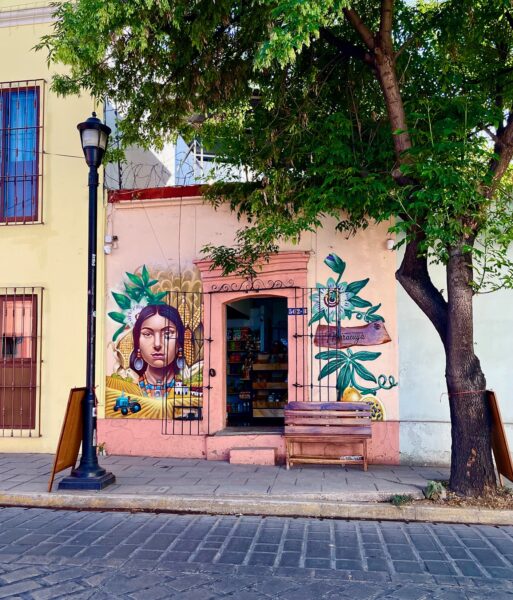
Notice how steep the step is to this building. Also notice the sidewalk around the tree.
3. Bring plenty of cash
Trust me when I say you can not have too much cash in Oaxaca. While some restaurants and hotels in the tourist areas accept credit cards, many don’t—and even those that do often prefer cash. Markets, street food vendors, taxis, tips for tour guides? All cash.
ATMs exist, but they’re not common. Near the zocalo is the only place I found one. I recommend getting some pesos at your bank before you leave and be sure to ask for small bills or you will not get them. That’s what happened to me.
You can also use the currency exchange at the airport but you won’t get a great rate. Break those 500-peso bills as soon as you can at larger establishments. Smaller businesses and street vendors are not going to change your bills for you. Even Pitico, a small convenience store a bit like a small Walmart, won’t change bills. Trust me. I tried.
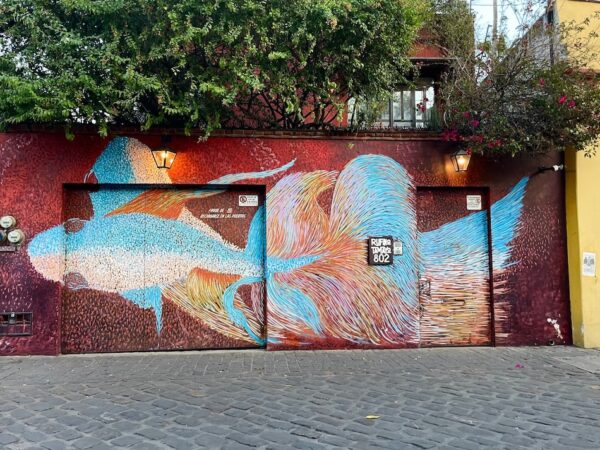
Notice the cobblestone street.
4. Bring appropriate clothes
Oaxaca sits at roughly 5,000 ft. above sea level. The climate is mostly pleasant but weather can be tricky. Mornings are usually cool, afternoons sunny and hot, and evenings pleasant but chilly. The temperature can swing 40+ degrees in a single day.
The high altitude also means the sun is more intense, so pack clothes you can layer: lightweight long sleeves with UV protection, a light jacket for mornings and evenings, sunglasses, and a hat. Sunscreen is non-negotiable. Even on cloudy days, you’re getting more UV exposure than you realize.
The good news? You don’t need fancy clothes. Comfortable, breathable layers that protect you from the sun will serve you better than any trendy outfit.
5. Don’t drink the tap water (what about ice?)
Never drink the tap water. Period. I made the mistake of brushing my teeth with it a few times until a tour guide gently suggested I stop. After that, I switched to bottled water, even for rinsing.
If you absolutely had to, you could boil the water for at least 5 minutes. You’d probably be fine, but bottled water is cheap and everywhere. Why risk it?
As for ice, the same guide who told our group about the water gave us a foolproof tip about ice: safe ice in Oaxaca is round with a hole through the center, not square cubes. That round ice comes from purified water sources. I never encountered bad ice, but it’s good to know what to look for.
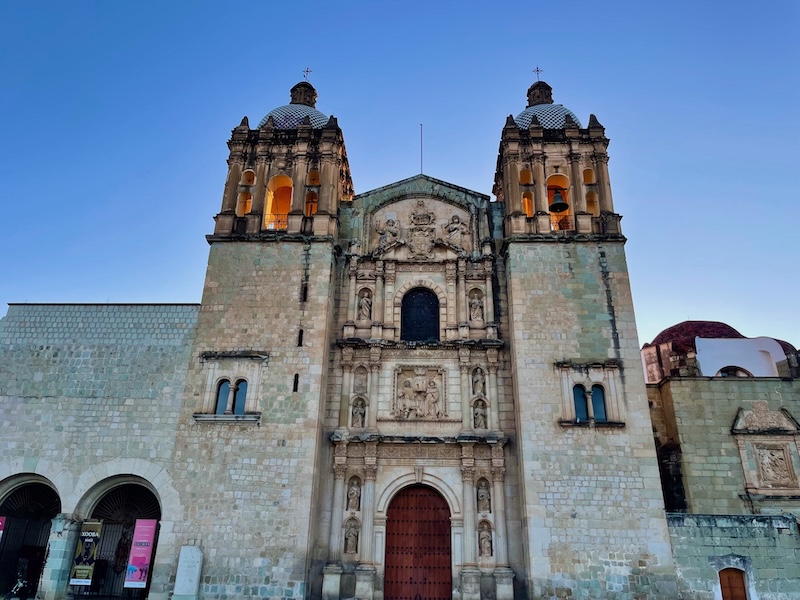
Santo Domingo de Guzáman.
6. Book restaurants and tours in advance
Oaxaca’s food scene is legendary, and the popular restaurants fill up fast—especially during high season (November through March). If there’s a specific place you’re dying to try, make a reservation. Same goes for tours, particularly to Monte Albán or mezcal distilleries.
I learned this the hard way when I showed up at a highly-recommended spot for dinner and got turned away. A reservation would have saved me the disappointment. And as with markets and so many other things, on the weekends things are more crowded. If you want to try some of the popular spots like Casa Oaxaca, Los Danzantes, or Levadura de Olla, try lunch reservations if available.
7. Learn Some Basic Spanish
While younger people in the tourism industry often speak English, many locals don’t. Spanish is the common language everyone uses, though you’ll hear indigenous languages, too.
You don’t need to be fluent, but learn the basics: please (por favor), thank you (gracias or muchas gracias), excuse me (con permiso), and how much (cuánto cuesta). People appreciated my attempts, though I often used Italian words instead. However, they did seem to understand me.
Good manners go a long way in Mexico and making the effort to speak the language will too.
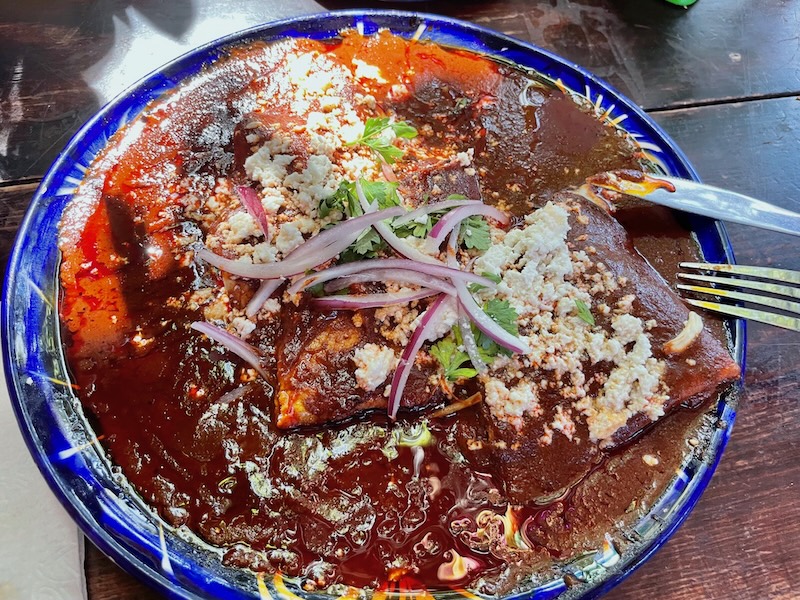
Red mole.
8. Traffic and crosswalks
Crosswalks in Oaxaca are more like suggestions than rules. Cars, taxis, and motorcycles may not slow down for you, even if you’re clearly in the crosswalk.
Walk with the traffic lights whenever possible. If there’s no light, be careful and don’t step out in front of moving traffic. A tour guide gave me this tip: when you reach an intersection with a light, count 1, 2, 3, and if it doesn’t turn red you can cross. This gives turning vehicles time to clear.
Most streets in the centro are one-way, so at least you don’t have to worry about traffic coming from both directions. Still—stay alert.
9. Tipping guidelines
Tipping is important in Oaxaca, one of Mexico’s poorest states. In restaurants 10-15% of the bill is expected. I am always on my own so I tip the tour guides 100 or 200 pesos. If you are with someone then tip for both. Taxis do not expect tips. Tour drivers you can tip 1 or 2 dollars or 18 – 35 pesos depending on the current exchange rate. Or just give them USD. If I stay in a hotel I always tip the housekeeper about 5 -10 dollars per day depending on what was required. Gratuities make a real difference to workers here, so tip generously when you can.
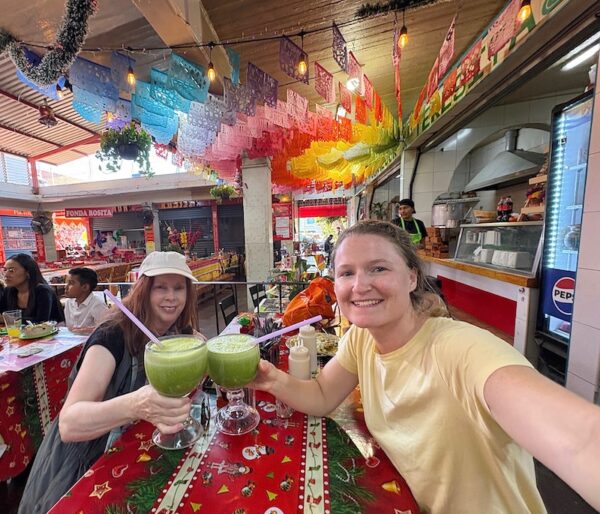
Those green juices are fantastic.
10. Hit the markets early (especially weekends)
Oaxaca’s markets are incredible—vibrant, chaotic, and busy. Everyone shops at the markets. You’ll find anything and everything from fresh produce to handicrafts to street food. There are also restaurants at the markets cooking fresh food made from the very ingredients being sold.
The most famous local market is the Mercado 20 de Noviembre, right near the Zocalo. The market dates back to the mid-1800s but the name reflects the date of the Mexican Revolution. The other big market is Mercado Benito Juárez, named for the first indigenous president of Mexico, who was from Oaxaca. Both of these markets are must-visits, but go early in the morning for the best experience. You’ll beat the tour groups, have more space to explore, and vendors are often more willing to chat when they’re not swamped. Weekends I’d avoid completely unless you love crowds.
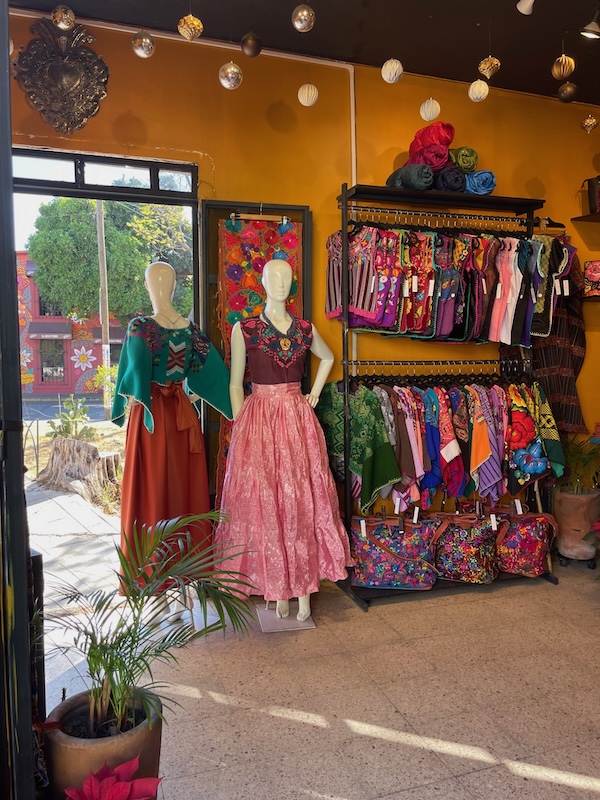
Women’s traditional designs in a shop.
11. Art and culture
Oaxacans are proud of their culture and the city’s status as a world heritage site. Artists thrive there because tradition, skill, and craftsmanship are respected. If you are interested, you can learn about the various types of pottery made in the area; local fabrics and weaving, and religious or spiritual rituals. The people generously show their work and share it with others. Therefore, be a good visitor and always ask before taking photos. Be discreet. And return the kindness, and generous spirit of the people who call this beautiful city home.
12. Mexico is noisy!
In general, Mexico is a lively, loud country, and Oaxaca’s historic center is no exception. People stay out late because the weather is nice. Taxis honk constantly. Tourists fill the streets. There’s music, conversation, and general street energy well into the night.
Then, around 5 or 6 AM, the street cleaners start their rounds, rolling metal carts over cobblestones with a sound that became my de facto alarm clock.
Don’t get me wrong, I appreciated their work and the city is impressively clean. But if you’re a light sleeper, bring earplugs. The centro is not a quiet place, and that’s part of its charm.
13. Go with the flow
Life moves slower in Oaxaca than most North Americans are used to. Service at restaurants can be leisurely. Tours might not start exactly on time. Things just…take longer.
Don’t be in a hurry or be rude because you think something is taking too long. This is the pace here, and fighting it will only make you miserable. Always say please (por favor) and thank you (gracias or muchas gracias).
I’m a fast walker by nature. In Oaxaca, I had to consciously slow down. The narrow sidewalks and crowds don’t allow for speed-walking anyway. When you can safely and politely pass someone, do so. Otherwise, embrace the slower pace. You’re on vacation.
14. Eat the street food
Oaxaca’s street food is some of the best in Mexico—and that’s saying something. Tlayudas, tamales, mole, chapulines (yes, grasshoppers), fresh fruit with chili powder…it’s endless and it’s delicious.
The food stalls in the markets are where locals eat, and you should too. It’s authentic, inexpensive, and absolutely worth any minor stomach concerns (which I never experienced, for what it’s worth).
Don’t be shy. Point at what looks good, watch what locals order, and dive in. This is what you came for. Also, don’t be afraid to eat the food from carts on the street.
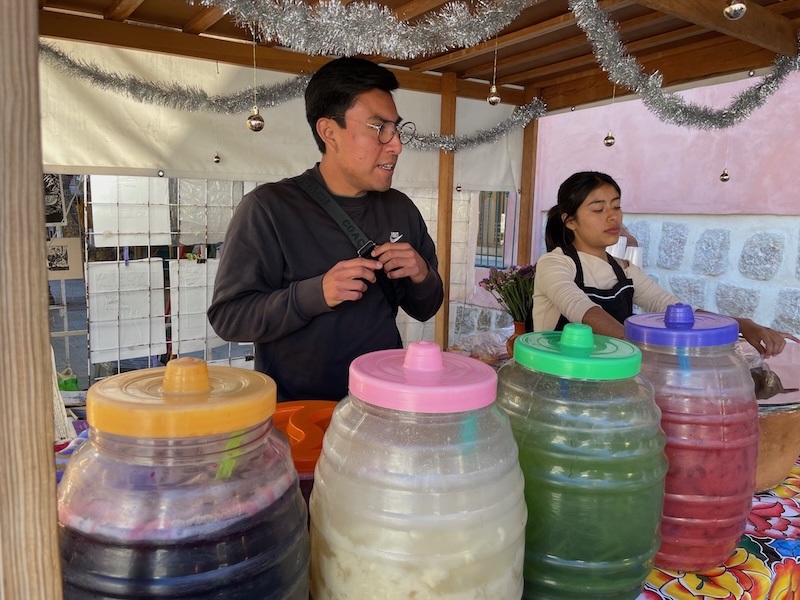
The food stalls in the markets are where locals eat, and you should too for an authentic, inexpensive meal you can’t beat the markets. Don’t be shy. Point at what looks good, watch what locals order, and dive in. This is what you came for. Also, don’t be afraid to eat the food from carts on the street. My favorite thing to get from street vendors were fresh juices. Produce is plentiful in Oaxaca so everything is fresh and delicious.
15. Try Mezcal, but pace yourself
You’re in the mezcal capital of Mexico, so yes, you absolutely should try it. Visit a mezcalería, do a tasting, learn about the different agaves—it’s fascinating and delicious.
But here’s the thing: mezcal is typically 40%+ alcohol, and those ‘small’ tasting pours add up fast, especially at Oaxaca’s 5,000+ foot altitude.
Pace yourself. Drink water between tastings. Eat something substantial. Don’t bar-hop on an empty stomach thinking you can handle it like tequila shots at home.
Being the drunk, loud tourist isn’t a good look anywhere, and Oaxacans are gracious hosts who don’t deserve to deal with it. Enjoy the mezcal culture respectfully, and you’ll have a much better (and more memorable) experience.