
Set amomgst rolling hills crowned with ancient castles, Voghera is located in one of most beautiful regions of Italy, Lombardy. Nestled between the Veneto in the east, Piedmont in the west, and Switzerland to the north, Lombardy’s capital is Milan. But small and interesting cities such as Voghera or Pavia, are not yet on the radar for tourists.
I chose Voghera as my base camp on a recent trip to Italy. The central location in Lombardy (on one of the main train arteries) allowed me to travel out for day trips to Milan, Pavia, Genoa, and many points in between. I enjoyed staying in a smaller town that was off the beaten path, and thus had plenty of opportunities to practice speaking Italian.

The Italian Lakes: Como, Maggiore, Iseo and Garda are all located within an easy drive from Voghera. You can visit some of the lakes by train, but it’s a bit of an ordeal, and luckily I didn’t need to do that. A car is definitely the transportation mode of choice around the lakes.
Because of its strategic position in northwest Italy, Voghera has been ruled by various countries and kingdoms; the Romans, the French, and Austrians, have all occupied and influenced the history and landscape of Voghera. Napolean once made Voghera his base camp and stayed at Palazzo Dattilini on Via Emilia.

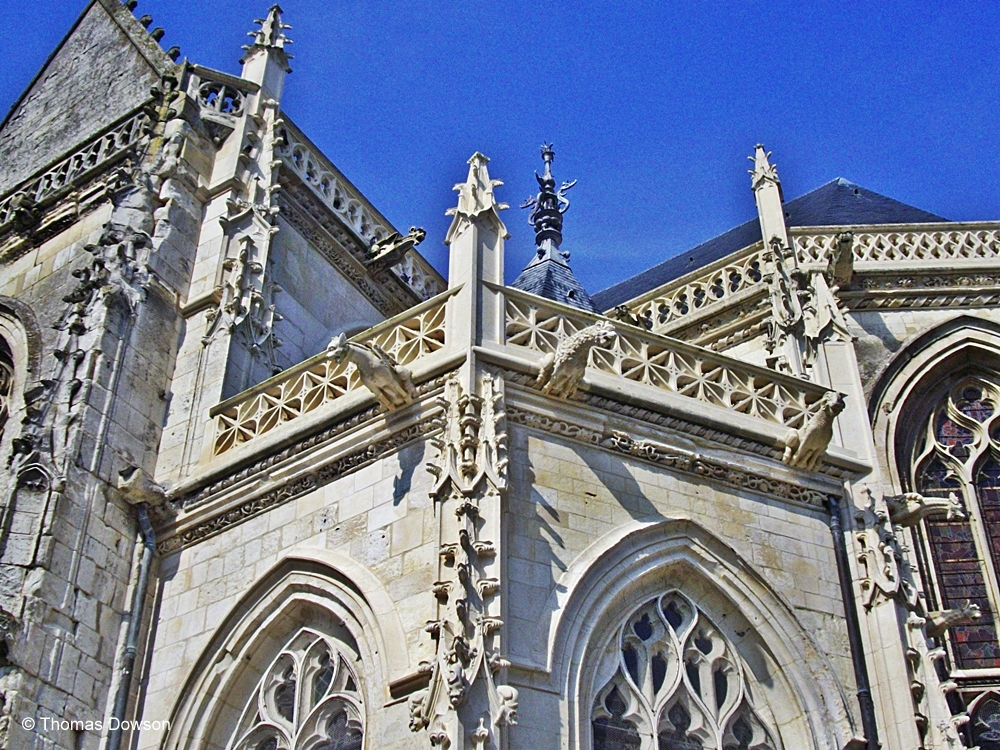
Cathedral del Duomo, Voghera, Italy
Piazza del Duomo is the place to begin a visit to Voghera. Piazzas are the center of civic life throughout Italy and other places in the world, though they may be called plazas or zocalos instead of piazzas. In Piazza del Duomo enjoy shops, bars, cafes and gelaterias like Britz while listening to Italian be spoken all around you.
I like the wide expansive feeling of this piazza, and the pastel and ochre colors of the old palazzos that make up the perimeter. Most of these buildings are now government offices, such as City Hall and the Mayor’s office.
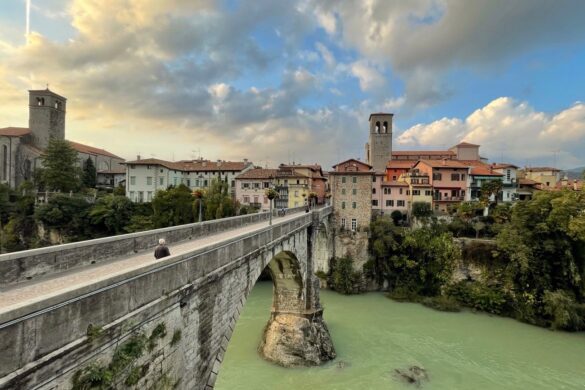
I think the charm of Voghera can best be observed in the wide variety of architecture, from the tenth century Castello to the seventeenth century Cathedral del Duomo. Even the more modern buildings are colorful with window boxes of seasonal flowers and herbs. I think it’s a sign of a town that is proud of its heritage–and that feels like a nice place to me.






24 comments
[…] Ludovico Garavani, per tutti Valentino, lo stilista era nato l’11 maggio del 1932 a Voghera, in provincia di Pavia. La sua passione per la moda supportata dai genitori Mauro Garavani e Teresa […]
Haven’t heard about voghera before apart from your post, and now I would like to visit it one day. Thanks for the post
Voghera is nice!
Lombardia is so nice, we should not forget that it is the biggest italian’s region for wine production 🙂
[…] Postcard From Voghera, Italy […]
A great article, Penny — I have not been to this town but it sounds lovely! wonderful photos! Grazie for sharing them!
Margie, so nice to meet you. Thanks for the comments.
I hope one day I can be there! 😀 Love it!
Hopefully one day I can be there 😀 Thanks for sharing!
Italy has got to be my favourite country in Europe!
Well just another thing we have in common. 🙂
Looks charming. I spent a fair bit of time traveling through Italy and yet I’m always amazed how many gorgeous little towns I haven’t heard of or been to. It seems like you could spend a lifetime in Italy and still not see it all!
Sounds like the ultimate base camp — and a splendid place to see!
[…] Postcard From Voghera, Italy […]
Love the churches in Italy! This reminds me somewhat of the Duomo in Florence.
Brilliant idea to set up camp in one strategically placed locations!
It has always worked for me. Especially as I move so slow!
Ah Italy! Great photos, looks so lovely there!
First -do, second-do, breakfast-do, lunch-do, snack-do, well, you get the picture…
Love this! I want to go (and eat gelato, too)…
well of course – in fact a gelato stop should be the first thing on the “must do” list. 🙂
Ahhh… this looks lovely. And I’m always up for gelato, too.
What a lovely post. I have never visited Lombardia…………but now I must.
Tinman, that is about the best thing I’ve heard all day! Thanks!